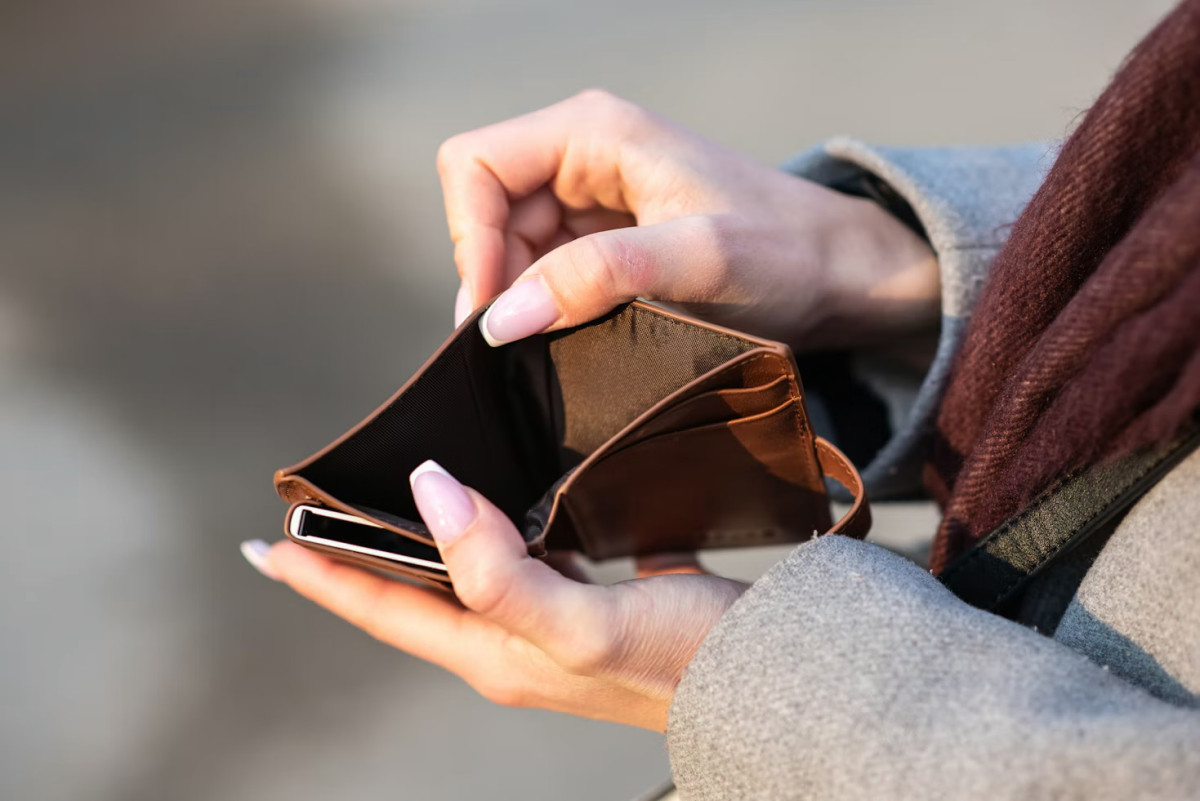
Open your wallet and take a careful look inside. You’ll probably find money, credit cards, identification, and perhaps a few things you completely forgot were there. But among those everyday objects, there may be one particular item that some people deliberately remove when preparing for a fresh financial beginning. It’s something that appears completely harmless, costs nothing to carry, and often remains hidden between banknotes for weeks or even months.
According to popular superstitions about money and prosperity, the way we organize our wallets carries an interesting symbolic meaning. Some people believe that certain objects represent abundance, while others serve as reminders of money that has already left our possession. With December 2026 approaching and holiday expenses becoming an important consideration, this unusual belief offers a fascinating reason to examine what you’re carrying every day.
The mysterious item is something almost everyone has carried at one point: old shopping receipts. Although there is no scientific evidence that receipts attract financial difficulties or prevent money from arriving, the symbolism behind this belief is interesting. It also introduces several practical ideas that could help you become more aware of your spending habits before the final month of the year begins.
The Everyday Item That Symbolically Represents Money Leaving Your Life
Think about the last time you purchased groceries, filled your car with gas, or bought something from a clothing store. The cashier handed you a receipt, and without giving it much thought, you folded it and placed it inside your wallet.
Perhaps you did exactly the same thing the following day.
Over time, these little pieces of paper accumulate. Some become difficult to read, others get trapped between cards, and many remain inside the wallet long after you’ve forgotten what you purchased.
In some popular feng shui-inspired interpretations, old receipts and paid bills symbolize previous expenses rather than future prosperity. Because they document money that has already been spent, some followers of these beliefs prefer to keep them separate from their cash.
The symbolic reasoning is simple. A wallet is traditionally associated with the money currently available to its owner. Filling that space with reminders of previous spending creates an interesting contrast between what you possess and what has already left your hands.
This doesn’t mean carrying receipts will make you poorer. A piece of paper cannot influence your salary, determine your financial opportunities, or prevent someone from paying you money they owe.
Nevertheless, the idea of separating current resources from past expenses has an appealing practical side.
Instead of opening your wallet and encountering reminders of dozens of previous purchases, you could create a more organized space where it’s easier to see what you actually have available.
Why The Beginning Of December Feels Like A Meaningful Time To Do This
December is unlike most other months of the year. Holiday shopping, family gatherings, seasonal celebrations, travel expenses, and preparations for the new year can all influence household budgets.
Even people who generally manage their finances carefully may find themselves making more frequent purchases than usual.
There’s also an emotional dimension to the final month of the year. Many people reflect on what they’ve accomplished, which plans remain unfinished, and what they’d like to change before January arrives.
Some clean their homes. Others organize important documents, review their savings, or make decisions about habits they want to leave behind.
Cleaning out a wallet can become part of that same process.
Imagine sitting down one evening before December begins and emptying every compartment of your wallet onto a table. You discover a receipt from a restaurant you visited months ago, an expired discount coupon, an appointment reminder, and several papers you no longer recognize.
None of these objects has been particularly important to your everyday life, yet you’ve continued carrying them without noticing.
Sorting through everything offers an opportunity to reflect on what you purchased, what you still need, and which expenses you might approach differently during the coming month.
The appeal of this ritual isn’t that December possesses special powers. Rather, the beginning of a new month creates a convenient opportunity to establish a fresh routine.
What Old Receipts Could Tell You About Your Spending Habits
Before removing those receipts, take a moment to examine them.
You might discover something far more interesting than their symbolic meaning.
Perhaps you frequently stop at a coffee shop on your way to work. Each individual purchase seems relatively inexpensive, so you’ve never seriously considered how much you spend there over an entire month.
Or maybe you’ve collected several receipts from convenience stores where you purchased things you could have obtained more affordably during your regular grocery shopping.
There may also be items you bought because they were advertised at a discount, even though you didn’t particularly need them.
Imagine finding fifteen receipts for small purchases that cost approximately five dollars each. Together, they represent seventy-five dollars. Individually, none of those transactions seemed significant, but their combined value might surprise you.
This doesn’t mean you should eliminate every enjoyable purchase. Having a favorite coffee, buying yourself a treat, or occasionally eating at a restaurant can be a meaningful part of everyday happiness.
The interesting question is whether those purchases still reflect your priorities.
Perhaps you’d happily continue buying coffee because it’s something you genuinely enjoy. On the other hand, you might discover that several other purchases provided very little satisfaction.
Reviewing old receipts allows you to make that distinction using actual information rather than relying entirely on memory.
The Important Difference Between Removing Receipts And Throwing Them Away
One of the most important details about this popular wallet tradition is that removing receipts doesn’t necessarily mean destroying them.
Some receipts contain information you may need later. They can provide proof of purchase, help with product returns, support warranty claims, or document business expenses.
In the United States, the Internal Revenue Service also advises taxpayers to retain records that support relevant income, deductions, and credits reported on their tax returns.
Discarding important receipts simply because of a superstition could create unnecessary financial difficulties rather than prevent them.
A more practical approach involves separating useful documentation from unnecessary clutter.
For example, imagine purchasing an expensive kitchen appliance earlier in the year. Several months later, it develops a problem, and you discover that the original receipt is needed to establish the purchase date.
Having that document safely stored could make the situation considerably easier to resolve.
The same principle applies to holiday gifts you might need to exchange, business purchases that require documentation, and products covered by extended warranties.
You can keep important receipts in a designated folder, envelope, or organized digital archive, provided the copies meet any applicable requirements.
The wallet becomes less crowded, while the documentation remains available whenever you need it.
Other Things Some People Prefer Not To Keep In Their Wallets
Old receipts aren’t the only objects associated with popular beliefs about financial prosperity.
Some contemporary money-related traditions also emphasize the importance of keeping wallets clean, functional, and free from unnecessary belongings.
Expired Coupons And Unused Discount Cards
Perhaps you’ve carried a discount voucher for months because you thought you might eventually use it. When you finally examine the expiration date, you discover that it became invalid long ago.
Such items may symbolically represent opportunities that have already passed.
From a practical perspective, they can make it harder to locate discounts that are still available. Removing expired coupons allows you to concentrate on offers that might actually be useful.
Old Shopping Lists And Unnecessary Pieces Of Paper
Many wallets gradually become storage spaces for handwritten reminders, addresses, phone numbers, and notes.
You might even discover a shopping list from several months ago containing items you no longer remember purchasing.
Although these objects have no influence over your financial future, removing them can make your wallet easier to use. Important information can be transferred somewhere more appropriate before unnecessary papers are discarded.
Expired Bank Cards
An expired payment card can remain inside a wallet simply because its owner forgot to remove it after receiving a replacement.
Keeping several unnecessary cards may create confusion when making purchases. It also means carrying financial information that no longer serves a useful purpose.
Once you’ve confirmed that an expired card is no longer needed, follow your bank’s guidance for disposing of it securely.
Unused Gift Cards
Unlike expired coupons, forgotten gift cards might still have genuine financial value.
Before removing one from your wallet, check its balance and applicable conditions. You may discover that a gift card received during an earlier celebration still contains money you can use toward a planned December purchase.
That would be a particularly interesting example of a financial surprise hidden inside your wallet, although its value comes from an existing balance rather than good luck.
Why Some People Keep A Special Banknote In Their Wallet
Another popular tradition involves keeping a particular banknote or coin that isn’t intended for everyday spending.
For some people, it might be the first money they received from a business they established. Others preserve a coin given to them by a grandparent or a banknote associated with an important personal achievement.
These objects can become symbols of independence, generosity, or financial progress.
Imagine someone who has kept the first dollar they earned through their own creative work. Its monetary value is small, but the memory connected to it remains important.
Whenever they see it, they’re reminded of the excitement they felt when someone first paid for something they created.
A special banknote doesn’t attract additional money through supernatural means. However, it can serve as a personal reminder of an ambition, accomplishment, or financial goal.
Some people enjoy carrying such an object because it represents something positive about their relationship with money.
There’s no requirement to follow this tradition, purchase a special charm, or keep a particular amount of cash inside your wallet. Its value, if any, comes from the personal meaning you assign to it.
Could You Find Money You’ve Completely Forgotten About?
One particularly enjoyable aspect of organizing your wallet is the possibility of discovering resources you didn’t realize were still there.
Perhaps you’ve placed an emergency banknote inside a hidden compartment and forgotten about it.
You might find a store credit voucher from an earlier return, a gift card with a remaining balance, or a receipt showing that you qualify for a legitimate promotional rebate.
These discoveries don’t happen to everyone, but they demonstrate an interesting difference between symbolic prosperity and practical financial awareness.
Consider someone who received a restaurant gift card during a birthday celebration. They placed it behind their identification card and continued using their regular payment methods whenever they ate out.
Months later, while organizing their wallet, they rediscover it.
After checking the balance and conditions, they realize that it could cover part of a meal they were already planning to enjoy in December.
The discovery doesn’t increase their income, but it could reduce an upcoming expense.
Sometimes, the most satisfying financial surprise involves recognizing the value of something you’ve possessed all along.
A Simple Wallet Ritual To Try Before December
If you enjoy symbolic traditions, you can turn organizing your wallet into a small end-of-month ritual without spending any money.
Begin by choosing a quiet moment when you aren’t rushing to complete other responsibilities.
Empty your wallet completely and examine everything you’ve been carrying. Separate the money, essential identification, active cards, receipts, and miscellaneous papers.
Review the receipts before deciding which ones need to be kept. Pay particular attention to purchases involving warranties, possible refunds, tax documentation, or expenses you haven’t yet recorded.
Once you’ve separated the important documents, remove unnecessary clutter and clean your wallet according to the material it’s made from.
Return your essential items in an arrangement that makes them easy to access. If you enjoy keeping a meaningful coin, photograph, or personal reminder inside, you can include it as well.
The final part of this ritual is choosing one realistic financial intention for December.
Perhaps you’d like to avoid unnecessary impulse purchases, save a modest amount of money, or review a recurring expense you’ve been paying without much thought.
The symbolic act of organizing your wallet can become a reminder of that intention.
Rather than expecting money to appear because you’ve removed certain objects, you’re using an ordinary activity to introduce greater awareness into your daily financial decisions.
The Real Meaning Behind Making Room For Prosperity
The expression making room for prosperity can sound mysterious, particularly when it’s connected to traditions involving wallets, money, and good fortune.
But it can also be understood in a practical way.
Making room for prosperity might mean reconsidering expenses that no longer bring you enjoyment. It could involve recognizing opportunities to use your existing resources more effectively or becoming more comfortable discussing financial priorities with the people you love.
Imagine entering December with a clear understanding of which expenses are approaching.
You’ve already decided how much you can comfortably spend on gifts, which celebrations fit your budget, and whether any larger purchases genuinely need to happen before the end of the year.
You may still encounter unexpected expenses, but having a clearer plan could make certain decisions easier.
This kind of preparation doesn’t require a lucky wallet, an expensive charm, or a special ritual.
It begins with recognizing that financial well-being depends on many real circumstances, including income, living costs, personal responsibilities, and access to opportunities. Not all of these factors are within an individual’s control.
However, becoming more familiar with the resources and choices available to you may help you approach some financial decisions with greater confidence.
What You Could Do Differently With Your Money This December
After examining what’s inside your wallet, consider whether one small financial change could make the coming month more enjoyable.
Perhaps you’d prefer to spend less on gifts that people may rarely use and devote more of your budget to experiences you can share together.
You might decide to compare prices more carefully before completing a purchase, particularly when seasonal advertisements create a sense of urgency.
Another possibility involves setting aside a small amount for January, when holiday celebrations have ended but ordinary household expenses continue.
If saving money isn’t currently realistic, your priority might simply be understanding your expenses more clearly or identifying available assistance with essential costs.
These decisions don’t need to be dramatic to have value.
You could begin by reviewing the contents of your wallet at the end of every week, recording important purchases, and checking whether anything you’ve carried for days still serves a useful purpose.
Over time, the habit could become less about superstition and more about understanding your relationship with money.
And the next time you receive a shopping receipt, you may pause before placing it between your banknotes.
Perhaps you’ll keep it because the purchase was important. Perhaps you’ll store it with your financial records, or decide that you no longer need it once the transaction has been checked.
The little piece of paper itself holds no power over your future. But the opportunity to reconsider what you spend, what you save, and what you genuinely value can be a meaningful way to prepare for December and the year waiting just beyond it.